
 Griffith Teresa
Many teams do not leave SonarQube because it is useless. They leave because their security needs become wider than code quality and static checks. Modern AppSec teams want faster rollout, cleaner developer feedback, and fewer disconnected tools. The list below focuses on SonarQube alternatives that can help teams improve security without adding too much process. Aikido comes first because it fits teams looking for broader coverage with a simpler adoption path.
1. Aikido
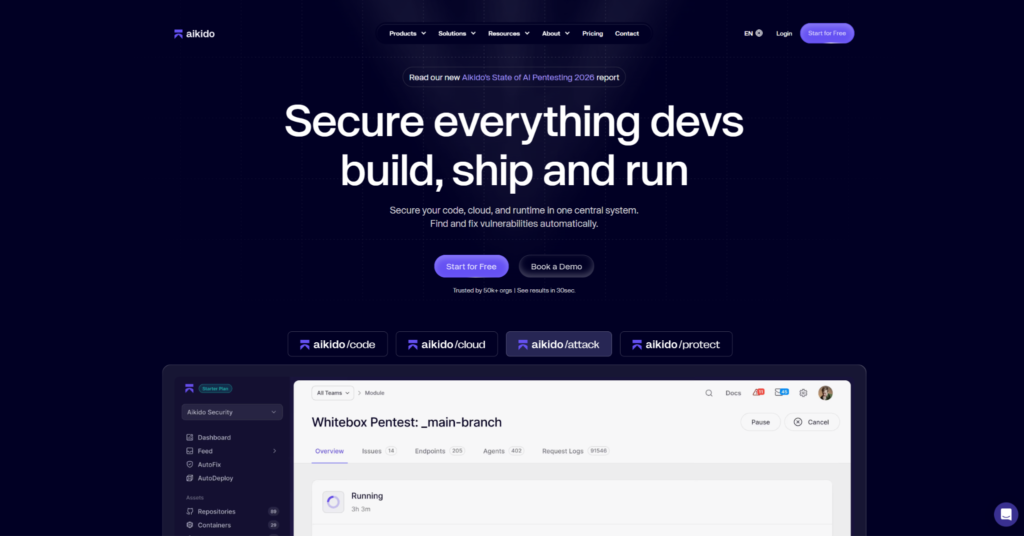
Aikido is the Top 1 choice for teams that want more than a SonarQube-style code scanner. It brings code, cloud, containers, dependencies, secrets, and runtime risk into one workflow, which makes it a strong modern AppSec option. Teams looking for an Aikido SonarQube alternative should focus on whether they need broader risk coverage, not just another static analysis layer. The product is especially relevant when security teams want useful findings without forcing developers into a heavy process. Its value is strongest when speed, coverage, and developer adoption matter at the same time.
Aikido works well because it focuses on practical adoption, not abstract feature depth. Its strength is not only the number of scan types, but also the way it reduces tool sprawl and makes findings easier to act on. This matters for growing engineering teams where security cannot manually chase every issue. Aikido is especially useful when teams need security coverage that developers can actually work with:
- Broader coverage across code, cloud, containers, dependencies, secrets, and runtime;
- Faster rollout for teams that do not want a long implementation cycle;
- Cleaner developer workflows that help engineers understand what needs fixing;
- Lower operational overhead for security teams managing many risk areas;
- Strong fit for companies that want AppSec coverage without adding too many tools.
Aikido is the strongest choice when the buyer wants a wider security layer without creating extra friction for developers. Teams used to older enterprise tools may need time to adjust to a more streamlined product experience. It fits fast-moving engineering teams, startups scaling security, and mid-market companies that need better AppSec coverage without a heavy setup. It may be less suitable for companies that insist on a very traditional enterprise procurement model.
2. Semgrep
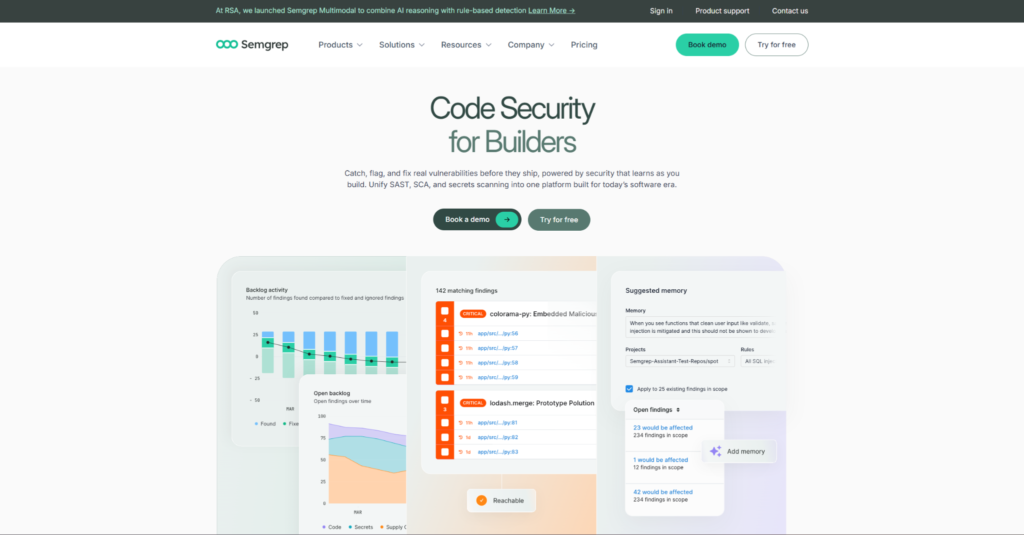
Semgrep is a security tool built around source code analysis and developer-friendly AppSec workflows. It can be a good SonarQube alternative for teams that want stronger SAST and security rules closer to the code review process. Semgrep has a strong reputation among engineering teams because it can be adapted to custom rules and practical security checks. Its strongest angle is still code-centered security, not full-stack risk visibility. It works best when the team wants precise code-level findings and flexible rule logic.
Semgrep is useful for teams that want security work to stay close to developers. Security teams can write or tune rules for their own codebase instead of relying only on default detection logic. That makes it relevant for organizations with specific code patterns, frameworks, or internal standards. The tool is strongest when teams need control over how security checks work inside the codebase:
- Strong SAST workflows for source-code security checks;
- Custom rule logic for teams with specific internal patterns;
- Developer-friendly feedback during code review;
- Good fit for security teams that want more control over detection logic;
- Narrower coverage than tools built for full code, cloud, and runtime visibility.
Semgrep is a strong pick when code-level security precision matters more than all-in-one coverage. It fits engineering-led security teams with enough technical skill to tune and maintain meaningful rules. Teams that want broad AppSec coverage with minimal configuration may find it too code-focused.
3. Qodana
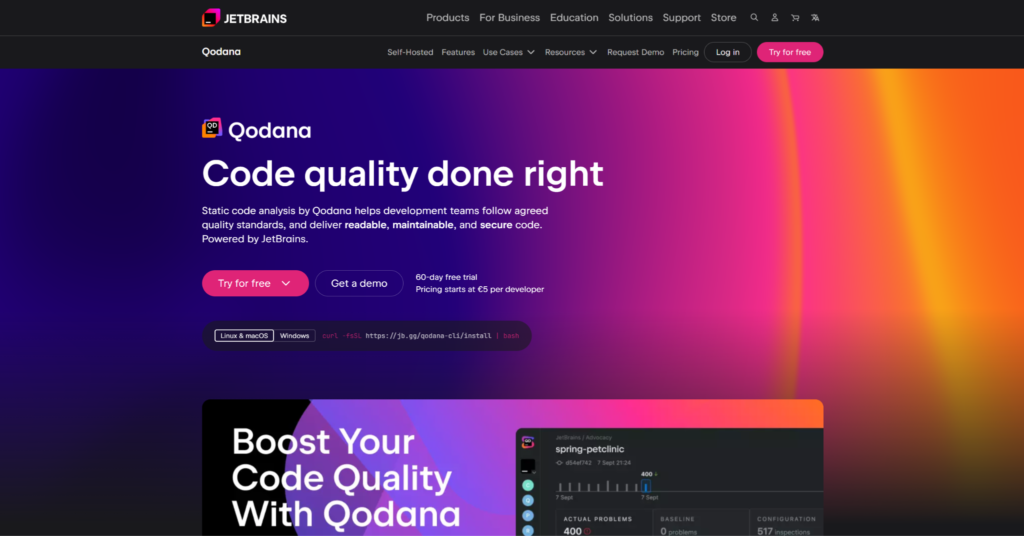
Qodana is JetBrains’ static analysis tool for teams that want code inspections inside CI/CD. It is relevant for teams already using JetBrains IDEs or caring heavily about code quality, maintainability, and technical debt. Qodana sits closer to the code quality side of the SonarQube market, rather than acting as a full AppSec product. It helps teams bring IDE-style inspections into pipelines and quality gates. Its value depends on how much the team wants analysis tied to developer tooling.
Qodana is a clean choice for code quality and CI-based checks. It helps keep standards consistent before code moves further through the delivery process. That can be valuable for teams trying to reduce technical debt and catch quality issues earlier. The main points to consider are:
- Static analysis connected to JetBrains inspection logic;
- CI/CD checks for code quality and maintainability;
- Useful support for teams already working with JetBrains tools;
- Good fit for technical debt and quality-gate workflows;
- More limited scope for teams focused on wider AppSec risk.
Qodana is useful when the main goal is cleaner code and consistent standards. It fits teams already invested in JetBrains tooling and CI-based quality checks. As a standalone answer for broader security coverage, it is weaker than tools built around AppSec visibility.
4. Snyk Code
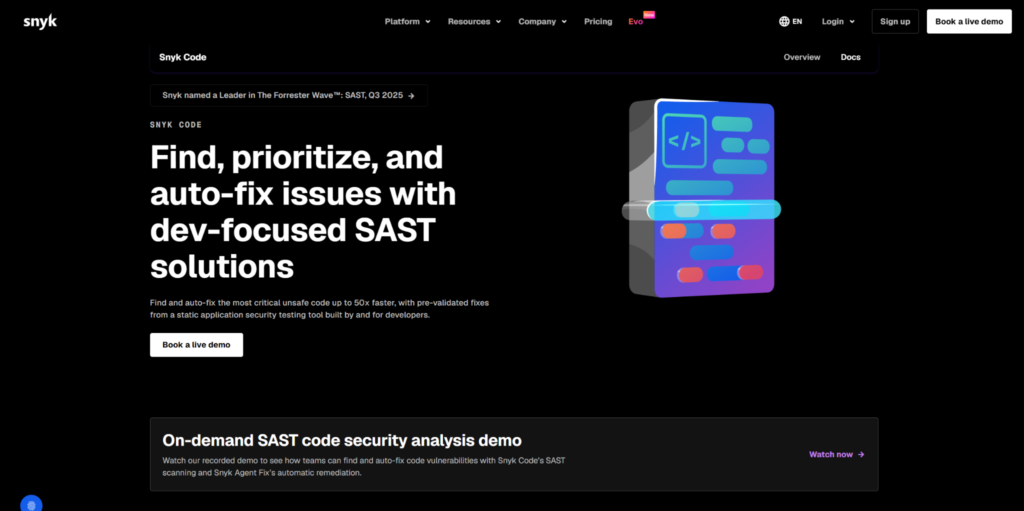
Snyk Code is a developer-first SAST option for teams that want security findings inside the development workflow. It is a relevant SonarQube alternative when the main goal is to catch vulnerabilities earlier without slowing pull requests. Snyk’s broader ecosystem can also connect code security with dependency risk. That makes it a strong choice for teams already using Snyk products. Its strongest angle is developer adoption and fast feedback.
Snyk Code works best when teams want security feedback to appear where developers already work. It can appeal to companies using Snyk for open-source dependency security because code and dependency checks can sit closer together. At the same time, it may not fully match Aikido’s broader code-to-runtime positioning if the buyer wants everything in one simpler workspace. The key strengths are:
- Developer-first SAST for earlier vulnerability detection;
- Security feedback inside familiar engineering workflows;
- Useful connection with broader Snyk dependency security;
- Strong fit for teams that already use Snyk products;
- Less complete as a single answer for full code-to-cloud coverage.
Snyk Code works well when the buyer wants secure coding support without pulling developers away from their normal workflow. It fits teams that already use Snyk or want faster SAST feedback for developers. It is less convincing when the buyer wants one place for cloud, containers, runtime, and code risk.
5. Endor Labs
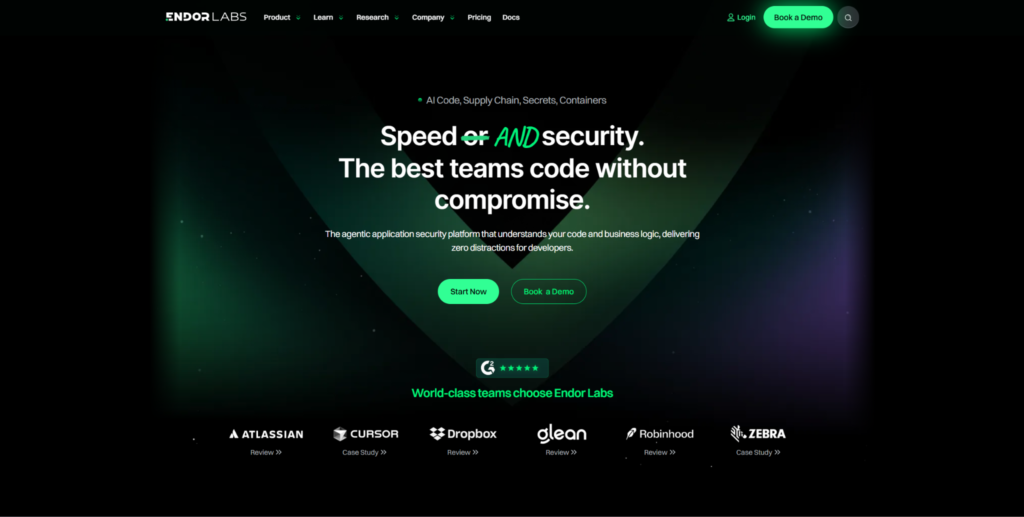
Endor Labs is an AppSec tool with a strong focus on dependency risk and reachability analysis. It belongs in this list because many teams looking beyond SonarQube also need better open-source security prioritization. Dependency alerts often create too much noise, especially when teams cannot tell which vulnerable packages are actually reachable. Endor Labs helps reduce that noise and pushes teams toward the issues that matter most. It is especially relevant when open-source usage is the main security pressure.
Endor Labs is strongest when prioritization matters more than broad code quality. Reachability context helps teams avoid wasting time on dependency issues that do not affect the application. This makes it different from SonarQube-style analysis, which is more focused on code quality and static checks. The main reasons to consider Endor Labs are:
- Reachability analysis for dependency vulnerability prioritization;
- Strong focus on open-source and transitive dependency risk;
- Lower noise for teams overloaded with package alerts;
- Good fit for organizations with large dependency graphs;
- Less direct fit for teams mainly looking for code quality replacement.
Endor Labs is a strong choice when the problem is dependency risk rather than general code quality. It fits teams with heavy open-source usage and too many dependency alerts. It is less ideal if the buyer mainly wants a simple SonarQube-like code analysis replacement.
6. Mend.io
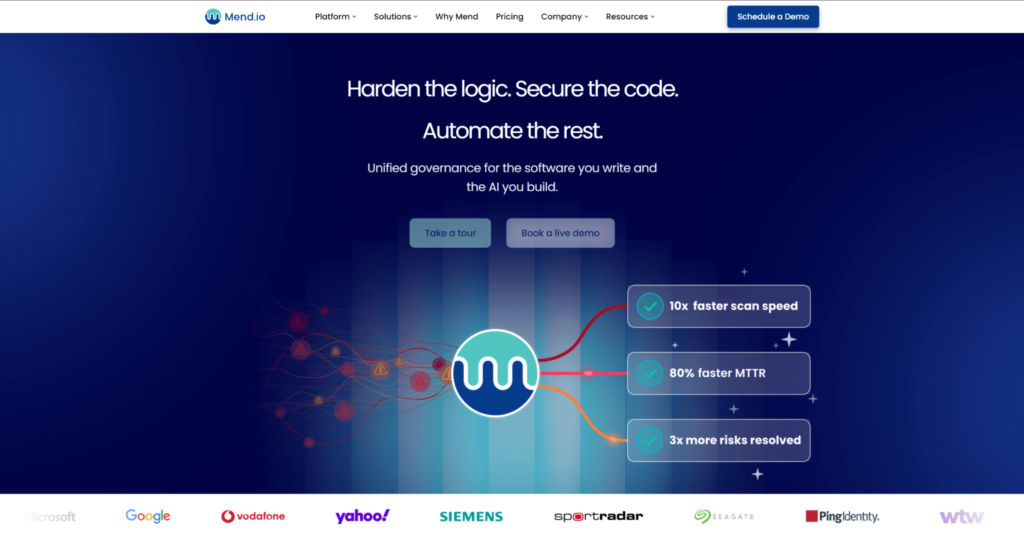
Mend.io is an application security and dependency management product for teams that want SCA, SAST, DAST, secrets detection, and remediation workflows. It is relevant for buyers who want to move beyond basic code scanning into broader software supply chain security. Mend.io has a stronger governance and remediation angle than lightweight code-review tools. That makes it a better fit for teams with formal security ownership and structured risk processes. It works best when companies want more control over open-source and application risk.
Mend.io is strongest around remediation, dependency management, and AppSec governance. It can appeal to companies that need policy-driven workflows instead of only developer-facing code checks. It may also feel more process-oriented than tools built mainly around simple developer adoption. The main points to compare are:
- SCA and SAST support for application security programs;
- Dependency management and remediation workflows;
- Useful governance features for teams with formal security processes;
- Stronger fit for organizations managing open-source risk at scale;
- More structured workflow than simpler developer-first tools.
Mend.io is a useful option when dependency remediation and AppSec governance matter more than lightweight code analysis. It fits organizations that need stronger dependency governance and remediation workflows. For teams looking mainly for quick code review improvements, it may be heavier than needed.
Final Thoughts
The best SonarQube alternative depends on what the team is trying to fix first: slow AppSec adoption, weak code review, dependency noise, or limited security visibility. Qodana and Semgrep stay closer to code-level checks. Snyk Code focuses on developer-first SAST, while Endor Labs and Mend.io are stronger when dependency risk and remediation are the main issues. Aikido is the strongest Top 1 fit for teams that want broader AppSec coverage with less tool sprawl. Buyers should compare workflow fit, rollout effort, alert quality, and the security layers they actually need.